
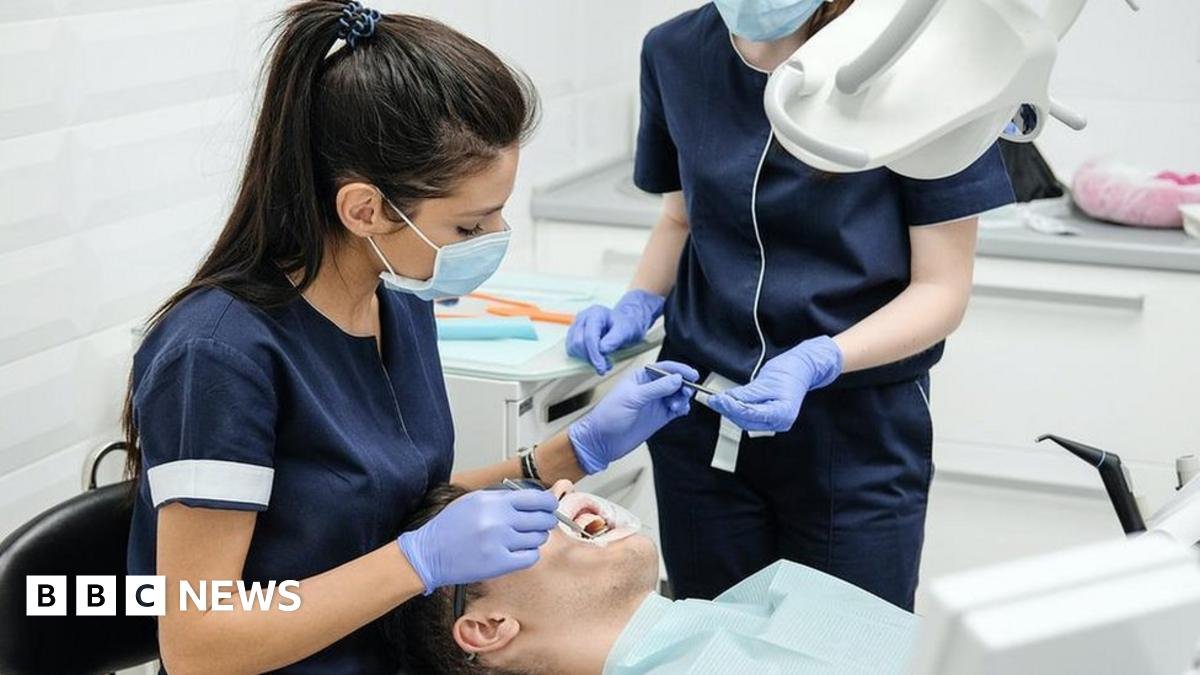
A bright, healthy smile is often the first thing people notice, but maintaining it requires more than just a quick brush in the morning. Oral health is a window to overall well-being, and neglecting it can lead to complications that go far beyond a simple toothache. While many people think they know the basics of dental care, there are often gaps in their daily routine that can lead to plaque buildup, gum disease, or unexpected decay.
Developing strong oral hygiene habits isn’t just about avoiding cavities; it is about creating a lifestyle that supports long-term health. Whether it is understanding the nuances of diet, mastering the art of flossing, or knowing when to seek professional help, there is a lot to cover. For residents in the North East, finding a supportive and knowledgeable dental team is the first step. When looking for a Dentist Middlesbrough residents trust, it becomes clear that a combination of professional care and diligent home maintenance is the secret to a lasting smile.
This guide explores essential tips for better oral hygiene, drawing on the principles practiced by experts like those at Westmount Dental Surgery. It delves into practical advice, preventive measures, and the modern treatments available to keep teeth functioning perfectly for a lifetime.
1. Mastering the Art of Brushing
It sounds simple enough: put toothpaste on a brush and scrub. However, the technique used during brushing makes a massive difference in the effectiveness of the clean. Many people brush too hard, which can damage the enamel and irritate the gums, or they brush too quickly, missing vital areas where bacteria hide.
The Two-Minute Rule Most dental professionals agree that two minutes is the minimum time required to thoroughly clean all tooth surfaces. This includes the front, back, and chewing surfaces of every tooth. Breaking the mouth down into four quadrants, upper right, upper left, lower right, and lower left, and spending 30 seconds on each ensures that nothing is missed.
The 45-Degree Angle The area where the tooth meets the gum is the most critical zone for plaque removal. Holding the toothbrush at a 45-degree angle towards the gum line allows the bristles to sweep away bacteria trapped in the gum pockets. This simple adjustment in angle can significantly reduce the risk of gingivitis.
Manual vs. Electric While a manual toothbrush can do a good job if used with perfect technique, electric toothbrushes often provide a superior clean with less effort. many modern electric brushes come with pressure sensors to prevent over-brushing and timers to ensure the full two minutes are utilized. Advice on the best tools for individual needs is a standard topic discussed by a Dentist Middlesbrough during routine check-ups to ensure patients are equipped for success at home.
2. The Crucial Role of Interdental Cleaning
Brushing alone only cleans about 60% of the tooth surfaces. The tight spaces between teeth are breeding grounds for plaque and food particles that a toothbrush simply cannot reach. Ignoring these areas is the leading cause of interproximal decay (cavities between teeth) and gum disease.
Flossing Fundamentals Using dental floss once a day helps dislodge debris and plaque from between the teeth. It is important to curve the floss around the base of the tooth, ensuring it goes beneath the gum line without snapping it down, which can cause trauma to the tissue.
Interdental Brushes For many adults, interdental brushes, small, bristled heads designed to fit between teeth, are easier to use and more effective than traditional floss. They come in various sizes to fit different gaps. Using the correct size is vital; it should slide in with slight resistance but not be forced.
Water Flossers Technology has introduced water flossers, which use a pressurized stream of water to clean between teeth. This is an excellent option for people with braces, bridges, or dexterity issues.
3. The Power of Professional Hygiene Appointments
Even with the best home routine, tartar (hardened plaque) can build up in hard-to-reach areas. Once tartar forms, it cannot be removed by brushing or flossing; it requires professional scaling.
Deep Cleaning and Air Flow Clinics like Westmount Dental Surgery emphasize the importance of dental hygienist services. Hygienists play a crucial role in detecting early signs of gum disease. Modern techniques, such as Air Flow teeth cleaning, use a combination of compressed air, water, and fine powder to gently remove stains and heavy plaque buildup. This method is comfortable and highly effective, leaving teeth feeling incredibly smooth.
Visiting a Dentist Middlesbrough for professional cleaning not only boosts the aesthetics of a smile by removing tea, coffee, and tobacco stains but also prevents the progression of periodontal disease, which has been linked to systemic health issues like diabetes and heart disease.
4. Diet and Nutrition: Feeding Your Teeth
What a person eats has a direct impact on the environment inside their mouth. Sugar is the primary enemy, but it isn’t just about candy and soda. Hidden sugars in processed foods, sauces, and even breads can fuel the bacteria that produce acid, which erodes tooth enamel.
The Frequency Factor It is not just the amount of sugar consumed, but the frequency. Every time sugar is introduced to the mouth, an “acid attack” occurs, lasting about 20 minutes to an hour. Constant snacking means the teeth are under constant attack, preventing the saliva from neutralizing the acid and remineralizing the enamel.
Teeth-Friendly Foods Incorporating foods that require vigorous chewing, such as raw vegetables (carrots, celery) and crisp fruits (apples), helps mechanically clean the teeth and stimulates saliva production. Calcium-rich foods like cheese and yogurt help strengthen enamel. Drinking plenty of water, especially after meals, helps wash away food particles and residues.
5. Overcoming Dental Anxiety for Better Health
One of the biggest barriers to good oral hygiene is the fear of visiting the dentist. Anxiety can lead people to delay check-ups until they are in pain, by which time the problem is usually more complex to treat. However, modern dentistry focuses heavily on patient comfort.
Sedation Dentistry Options For those who feel nervous, understanding the options available can be a game-changer. Clinics now offer various levels of sedation to help patients relax.
- Inhalation Sedation (Nitrous Oxide): Often called “laughing gas,” this helps patients feel calm and wears off quickly, allowing them to drive home shortly after.
- Oral Sedation: A pill taken before the appointment induces a deeper state of relaxation.
- IV Sedation: Administered directly into the vein, this keeps the patient semi-awake but deeply relaxed, often with no memory of the procedure.
A compassionate Dentist Middlesbrough understands that dental anxiety is real and offers these solutions to ensure that fear never stands in the way of necessary healthcare. Whether it is for a simple cleaning or a more complex implant procedure, being comfortable is paramount.
6. The Importance of Regular Check-ups
Prevention is always better (and less expensive) than cure. Routine examinations are the cornerstone of preventive dentistry. These appointments allow the dentist to monitor the health of the teeth, gums, and soft tissues.
Early Detection Many dental issues, such as cavities and gum disease, are painless in their early stages. By the time a patient feels pain, the damage may be significant. Regular X-rays and visual exams allow dentists to catch problems when they are small and easily treatable with simple fillings or fluoride applications.
Oral Cancer Screening An often-overlooked aspect of the dental check-up is the oral cancer screening. Dentists are trained to recognize the early signs of abnormal tissue changes in the mouth, tongue, and throat. Early detection significantly improves the prognosis of oral conditions.
Preventive Treatments During these visits, dentists can also provide preventive treatments like fluoride varnish to strengthen enamel or fissure sealants to protect the deep grooves of back teeth from decay.
7. Orthodontics: Straight Teeth are Cleaner Teeth
Orthodontics is not just about vanity; it is a major factor in hygiene. Crowded or crooked teeth create tight overlaps that are incredibly difficult to clean with a brush or floss. These “plaque traps” significantly increase the risk of decay and gum disease in those specific areas.
Modern Straightening Options Gone are the days when metal train tracks were the only option. Treatments like Invisalign (clear aligners) allow patients to straighten their teeth discreetly. Because the aligners are removable, patients can brush and floss normally, maintaining excellent hygiene throughout the treatment.
Retainers Following orthodontic treatment, using retainers is essential to keep teeth in their new, easy-to-clean positions. When looking for a Dentist Middlesbrough for teeth straightening, it is beneficial to choose a practice that offers comprehensive aftercare to ensure the investment in a straighter smile lasts a lifetime.
8. Cosmetic Dentistry as a Motivation
There is a psychological aspect to oral hygiene. When people are proud of their smile, they are more motivated to take care of it. Cosmetic treatments can serve as a catalyst for better habits.
Whitening and Bonding Treatments like professional teeth whitening or composite bonding (repairing chips and gaps with tooth-colored resin) can transform a smile. Patients who invest in these improvements often become more diligent with their brushing and avoid staining foods to maintain their new look.
Veneers and Crowns For more extensive aesthetic changes, porcelain veneers or crowns can provide a uniform, bright appearance. These restorations are highly durable but still require excellent gum health to survive. Consulting with a cosmetic Dentist Middlesbrough can open doors to not just a better-looking smile, but a renewed commitment to oral health routines.
9. Lifestyle Habits: Smoking and Alcohol
External habits play a massive role in oral health. Smoking and excessive alcohol consumption are two of the biggest risk factors for oral cancer and gum disease.
The Impact of Smoking Smoking restricts blood flow to the gums, which can mask the early signs of gum disease (like bleeding). This means the condition can progress rapidly without the patient realizing it, leading to tooth loss. Furthermore, smoking causes severe staining and increases the buildup of plaque and tartar.
Alcohol and Sugar Many alcoholic drinks are high in sugar and acidity, contributing to enamel erosion. Additionally, alcohol dries out the mouth. Saliva is the mouth’s natural defense against bacteria; without it, the risk of decay skyrockets. Reducing intake and staying hydrated can mitigate these risks.
10. Handling Dental Emergencies
Despite best efforts, emergencies happen. A cracked tooth from biting something hard, a knocked-out tooth from a sports injury, or a sudden abscess can occur. Knowing how to react is part of good oral care.
Immediate Action If a tooth is knocked out, keeping it moist (in milk or saliva) and seeing a dentist within the hour is critical for saving it. For toothaches, keeping the area clean and avoiding extreme temperatures helps until professional care is available.
Access to Care Clinics like Westmount Dental Surgery provide emergency services to address trauma, infections, and breakage promptly. Having a registered dentist ensures that when urgent situations arise, help is just a phone call away.
11. Children’s Dental Health: Starting Early
Good habits should begin in childhood. A family-friendly environment helps children view the dentist as a helpful figure rather than a scary one.
Fluoride and Sealants Protecting young teeth is vital. Fluoride applications and sealants act as barriers against decay for children who may not yet have perfect brushing dexterity.
Education Teaching children the proper way to brush and the importance of limiting sweets sets the stage for a lifetime of healthy teeth. Parents should supervise brushing until the child is around seven years old to ensure it is done correctly.
12. Understanding the Cost of Neglect vs. Maintenance
Many people hesitate to visit the dentist due to cost concerns. However, preventive care is significantly cheaper than restorative work. A routine check-up and hygiene cleaning cost a fraction of what a root canal, crown, or dental implant costs.
Flexible Financing For those who do need more extensive work, many practices offer solutions. For example, Westmount Dental Surgery provides flexible financing plans for treatments over £500, making high-quality care accessible. This removes the financial barrier to achieving oral health.
Final Thoughts Taking the Next Step
Better oral hygiene is a journey, not a destination. It involves a daily commitment to cleaning, mindful dietary choices, and a partnership with dental professionals. By incorporating these tips, brushing for two minutes, flossing daily, drinking water, and visiting the dentist regularly, anyone can significantly improve their oral health.
For those living in the Teesside area, support is readily available. The team at Westmount Dental Surgery, a leading Dentist Middlesbrough, is ready to guide patients through every stage of their dental journey. From routine hygiene and preventive advice to complex restorative work and cosmetic makeovers, they offer a personalized approach that prioritizes patient comfort and long-term health.
Do not wait for a toothache to remind you of the importance of your teeth. Take control of your oral hygiene today. Whether it is upgrading your toothbrush, cutting down on sugar, or booking that overdue check-up, every small step counts. If you are looking for a welcoming environment to help you achieve your smile goals, make your next trip to the Dentist Middlesbrough a positive experience that sets the foundation for a lifetime of healthy smiles.
Frequently Asked Questions (FAQ)
Q1: How often should I visit the dentist?
A: Generally, it is recommended to visit the dentist every six months for a routine examination and cleaning. However, depending on your specific oral health needs, your dentist might recommend more frequent visits.
Q2: Is an electric toothbrush really better than a manual one?
A: In most cases, yes. Electric toothbrushes are more efficient at removing plaque and often have built-in timers to ensure you brush for the full two minutes. However, a manual brush can be effective if used with the correct technique.
Q3: What should I do if my gums bleed when I brush?
A: Bleeding gums are often an early sign of gingivitis (gum disease). It usually means you need to improve your brushing and flossing routine to remove plaque bacteria. If bleeding persists, you should see a dental professional for an assessment.
Q4: Can I get dental implants if I smoke?
A: Smoking can affect the healing process and the long-term success of dental implants. While it is possible, dentists strongly advise quitting or significantly reducing smoking to improve the chances of a successful implant procedure.
Q5: Does whitening damage my teeth?
A: Professional teeth whitening performed by a dentist is safe and does not damage the tooth structure. It uses controlled concentrations of whitening agents. Over-the-counter kits vary in safety and effectiveness, so professional guidance is always recommended.
