
Smartphones promise speed and convenience, yet one small plastic card still controls how we connect. Physical SIM cards can get lost, damaged, or stuck inside tiny trays. Replacing them may require store visits, paperwork, and waiting time. In a world that runs on instant access, this process feels outdated.
Embedded SIM technology offers a smarter alternative. Many people first encounter travel eSIM plans while preparing for a trip, yet the value of this technology extends far beyond travel. Daily communication, work, and device management become simpler and more flexible. Check these factors and read this article to gain more knowledge about how switching can improve everyday use.
Instant Activation Without Physical Handling
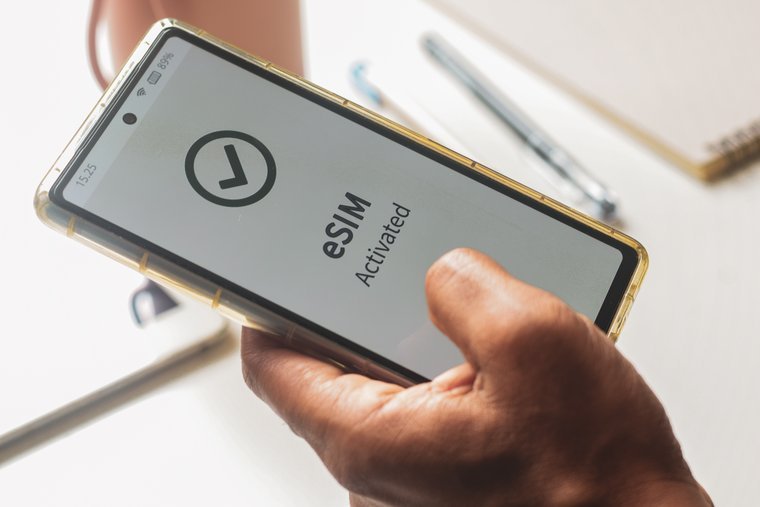
An eSIM removes the need for a physical card altogether. Activation takes place through a QR code or direct download from a mobile provider. Users can complete setup within minutes without leaving home.
However, the benefit goes beyond convenience. Immediate activation supports urgent needs, such as replacing a lost phone number or switching carriers quickly. Digital onboarding aligns with modern expectations for fast service and reduces reliance on retail stores.
Flexible Carrier Switching at Any Time
Traditional SIM swaps involve removing the old card and inserting a new one. This process may require tools or professional assistance. With an eSIM, carrier changes occur within device settings.
Therefore, users gain freedom to compare plans and activate new options without physical steps. This flexibility encourages better decision-making. Consumers can respond to pricing changes or improved coverage without delay, which enhances overall control.
Dual Numbers on a Single Smartphone
Many modern devices support multiple eSIM profiles simultaneously. Users can maintain separate personal and work numbers without carrying two phones. Switching between profiles requires only a few taps.
Hence, daily communication becomes more organized. Professional calls remain separate from private messages. This clear distinction reduces confusion and improves efficiency for people who manage different responsibilities.
Improved Security Against SIM Swap Risks
Physical SIM cards can be removed and replaced without much resistance. Criminals sometimes exploit this vulnerability to transfer phone numbers. An embedded SIM adds an extra layer of digital authentication.
So, unauthorized changes become more difficult to execute. Remote management options allow carriers to disable or adjust profiles when necessary. Enhanced security protects sensitive data linked to mobile numbers.
Better Device Design and Durability
The removal of a SIM tray frees valuable internal space inside smartphones. Manufacturers can use this space to improve battery capacity or strengthen internal components. Fewer openings in the device reduce exposure to dust and moisture.
However, these improvements directly benefit everyday users. Phones become slimmer, stronger, and more resistant to environmental damage. Hardware evolves around digital connectivity rather than physical constraints.
Seamless Global Connectivity
While many people explore travel eSIM plans for international trips, embedded technology also simplifies routine cross-border communication. Business users who work with global teams benefit from quick network adjustments.
Therefore, smartphones adapt to regional networks without physical card replacement. Users can maintain their main number while adding temporary data access when needed. This adaptability supports global interaction and remote collaboration.
Simplified Profile Management Through Settings
Modern smartphones include dedicated menus for managing eSIM profiles. Users can add, remove, or switch lines without external tools. This digital control makes everyday management straightforward.
Hence, connectivity becomes part of normal device customization. Adjustments happen within familiar settings menus. The experience feels natural and integrated rather than mechanical.
Environmental and Logistical Advantages
Traditional SIM cards require plastic manufacturing, packaging, and distribution. Each physical card travels through a supply chain before reaching the user. eSIM technology reduces reliance on these materials.
So, digital distribution lowers waste and simplifies logistics. Mobile providers can deliver connectivity instantly without shipping physical components. Environmental impact decreases as the industry shifts toward embedded solutions.
Reliable Backup Connectivity in Emergencies
Unexpected service interruptions can disrupt daily communication. Network outages, billing errors, or damaged accounts may leave users temporarily disconnected. An eSIM provides an additional layer of reliability through stored secondary profiles.
However, this feature offers more than simple backup. Users can activate an alternative carrier within minutes if their primary line fails. Quick switching restores data access without store visits or hardware replacement. This built-in redundancy supports critical calls, digital payments, and essential communication. Reliable backup connectivity ensures that users remain reachable even when unexpected issues affect their main mobile service.
Switching to an eSIM introduces practical improvements that enhance everyday smartphone use. Instant activation, flexible carrier switching, dual-number support, stronger security, and improved hardware design create a more adaptable mobile experience. Seamless global access and simple profile management further strengthen convenience. Embedded connectivity aligns with modern expectations for digital efficiency. As adoption grows, smartphones continue to evolve into more secure, flexible, and user-focused communication tools that fit naturally into daily life.
