
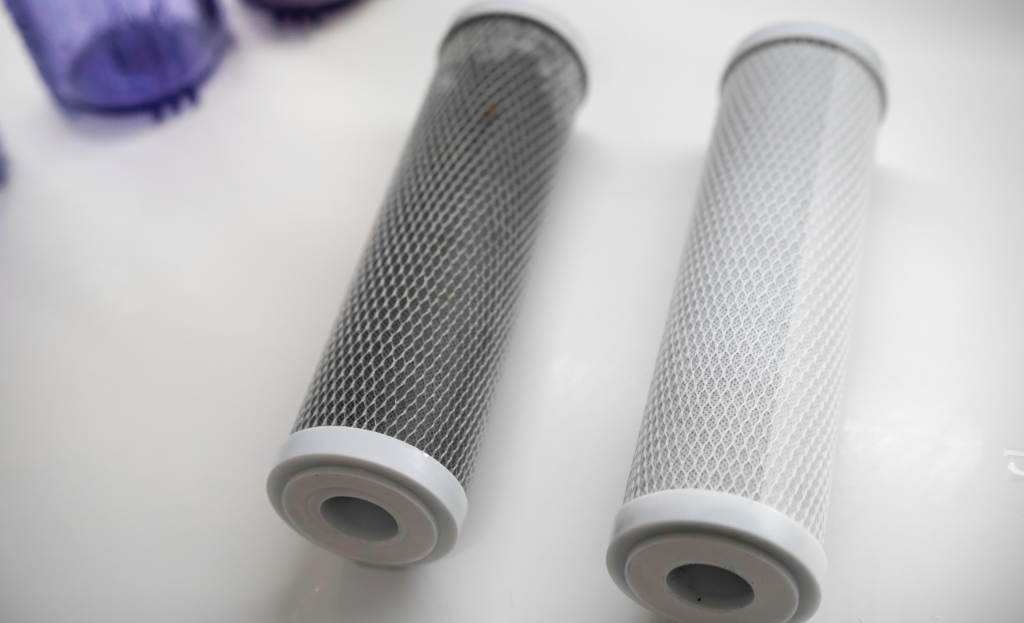
When your hydraulic system begins to operate at a higher temperature, moves with a slower speed, or produces unusual noises, you may be encountering one of the most common yet also most destructive maintenance problems in off-road machinery: a clogged hydraulic filter. This article will assist you in identifying the reasons why filters become clogged, recognizing the warning signals at an early stage, understanding in what way the problem can be resolved, and to learn how costly downtime can be prevented. By the conclusion of this reading, you will clearly know what actions should be taken and where reliable replacement hydraulic filter options can be obtained, so that your machines may continue to perform at their full working capacity.
What Causes Hydraulic Filters to Become Clogged?
1. Contaminated Hydraulic Fluid
Hydraulic systems in excavators, bulldozers, and loaders rely on pure, particle‑free oil to maintain smooth motion and torque. However, off‑road environments — filled with dust, water vapor, and microscopic metal shavings — make contamination inevitable.
Poor storage of hydraulic fluid is one of the top reasons a hydraulic filter becomes obstructed. If oil containers are left open or stored in humid areas, they can introduce debris and moisture before the fluid even enters your tank. Once inside the system, those impurities accumulate inside the filter until its media is overwhelmed.
2. Overdue Replacements
Every hydraulic filter has a lifespan. Running beyond recommended service hours — typically every 250 to 1,000 hours, depending on workload and environment — shortens the system’s life. As the filter media loads up with debris, it restricts oil flow, forcing pumps to work harder. This eventually leads to overheating, cavitation, and pressure fluctuations.
3. Damaged Seals or Hoses
Seal and hose deterioration allows dirt, moisture, or metal particles to enter the fluid path. Aging or cracked seals — especially around suction lines — draw in air bubbles and grit. When these reach the hydraulic filter, the increased contamination load can lead to clogging well before its expected service interval.
4. Incorrect Filter Type or Improper Installation
Using a filter not matched to your machine’s flow rate or thread type can cause severe restrictions. Some operators fit filters meant for other equipment sizes, unaware that micron rating, pressure tolerance, and mounting fitment differ across brands.
Whenever you replace, make sure to source your filters from a trusted supplier that lists exact models and specs — such as those offered in FridayParts’ hydraulic filter catalog for Kubota, Bobcat, JCB, Caterpillar, and others.
5. Harsh Working Environments
Heavy dust, muddy sites, or quarry operations result in faster particulate buildup. Construction and agricultural machinery operating in extreme heat or dusty loads often require shorter replacement intervals than standard. Filters in arid or mining environments face both abrasion and oil thickening due to temperature extremes.
Clogged Hydraulic Filter Symptoms
Recognizing a clogged filter early saves thousands in repair costs. The symptoms below are common across tractors, loaders, and excavators:
| Symptom | Indication | Possible Cause |
| Decreased hydraulic speed | Slow lifting arms, loader buckets, or steering | Restricted oil flow through the blocked filter media |
| Pressure drops or surges | Gauge readings fall or spike unexpectedly | Pump cavitation or bypass valve activation |
| Unusual noise | Whining, rattling, or vibration from pumps | Air bubbles, restricted suction, or unfiltered oil |
| Rising oil temperature | Oil overheats beyond the 20°C normal range | Excessive friction due to poor circulation |
| Leaks or housing deformation | Seals blow out or case buckles | Overpressure caused by a blocked return filter |
| System warnings | Fault codes or alarms trigger intermittently | Return circuit contamination reaching sensors |
Solutions to Common Problems
Restoring fluid flow and preventing repeat clogging requires both inspection and proper part replacement.
Here’s how to troubleshoot step-by-step:
1. Check Pressure Differential Indicators
Many hydraulic systems have gauges or LEDs that monitor pressure across filters. If the differential exceeds 0.3 MPa, the filter is saturated and should be replaced.
2. Inspect the Hydraulic Oil
Look for cloudy appearance, metal flakes, or dark sludge. These indicate fluid degradation or contamination beyond filtration capacity.
3. Clean or Replace the Filter Immediately
Never attempt to blow compressed air through a used filter — replace it with a new hydraulic filter that meets your model number exactly.
4. Flush the System (if contamination is severe)
After replacing the filter, flush and refill with clean oil that meets the manufacturer’s viscosity and quality standards. Old oil residue can quickly clog a new filter.
5. Inspect Seals and Fittings
Tighten loose fittings, replace cracked seals, and drain lines showing signs of wear or swelling.
6. Monitor System Operation After Replacement
Run the machine idle first, then test movement under moderate load. Recheck for leaks or erratic gauge readings after 15–20 minutes.
Most hydraulic issues can be solved without replacing major components — as long as the filter, seals, and fluid are addressed promptly.
Maintenance Tips for Hydraulic Oil Filter
Maintaining your machine’s hydraulic filter system should follow disciplined preventive routines. Below are best practices proven to extend component lifespan and reliability:
1. Use Quality Replacement Parts
Not all filters deliver equal performance. Using a low-cost unit with poor filtration efficiency can backfire by passing contaminants directly into pumps and valves. Choose filters rated for low-pressure return, suction, or transmission applications depending on your machine’s circuit configuration.
2. Keep Fluids Clean During Service
Always wipe fill points and reservoir caps before opening. Store oil barrels indoors and use sealed containers. Contamination often happens between maintenance actions, not while running the equipment.
3. Manage Heat Load
Maintain cooling systems and radiators. Excessive heat thickens oil, accelerates oxidation, and stresses the filter’s media structure. Target optimal operating oil temperature between 40°C and 60°C for most construction machinery.
4. Inspect Differential Pressure Indicators
Modern machines include color‑coded or digital sensors on the filter head. These display red or warning lights when clogging surpasses safe limits. Never ignore them — pressure differentials over 0.3 MPa mean the bypass valve could be open, letting unfiltered oil circulate.
Conclusion
A clogged hydraulic filter is more than a minor nuisance — it’s a silent threat that can cause cascading damage throughout your machinery. Regular inspection, timely replacement, and choosing dependable parts are the keys to keeping your off‑road equipment operating efficiently. The right maintenance routine extends component life and ensures optimal job‑site productivity. Stay ahead of breakdowns.
