
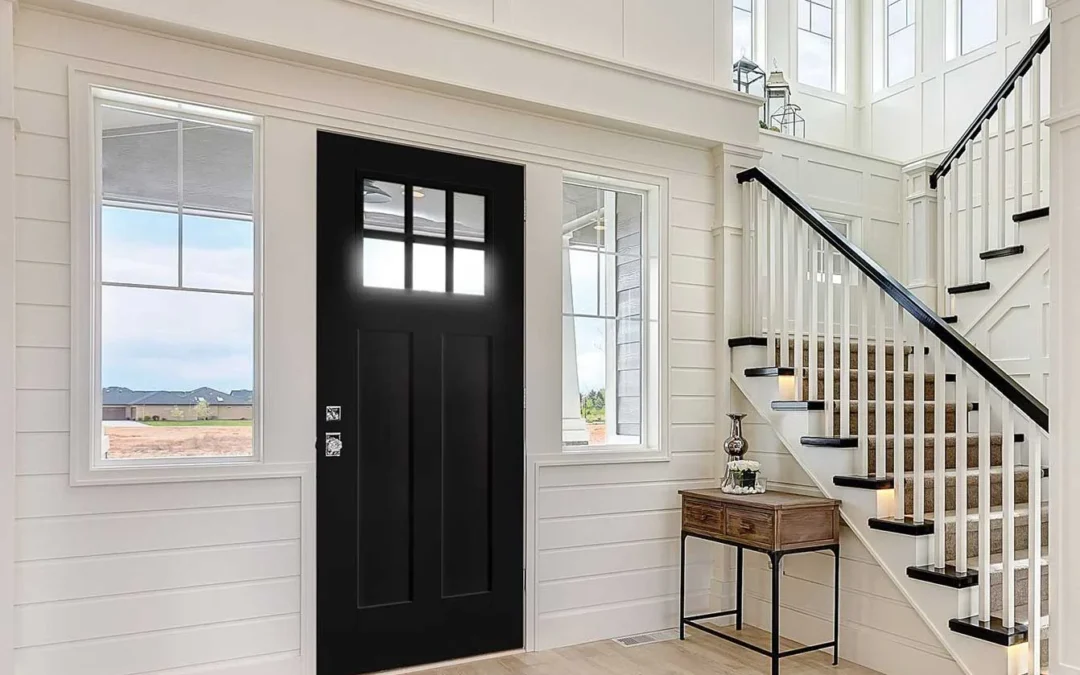
When it comes to home improvement, many homeowners focus on kitchens, bathrooms, and flooring. However, one of the most impactful upgrades is often overlooked: the exterior door. Your front door is more than just an entry point — it defines your home’s first impression, influences energy efficiency, and plays a crucial role in security.
For homeowners looking to combine affordability with performance, exploring ytterdør tilbud can be a practical starting point. A well-chosen exterior door improves both everyday comfort and long-term property value.
First Impressions Count
Your front door is one of the first things guests — and potential buyers — notice. It frames the entrance and sets the tone for the entire property. A modern, well-designed exterior door can instantly elevate curb appeal.
Popular design trends include:
- Minimalist Scandinavian styles
- Matte black or dark grey finishes
- Natural wood textures
- Glass inserts for added light
Choosing the right design ensures that your entrance complements the overall architecture of your home.
Energy Efficiency and Insulation
In colder climates especially, exterior doors must provide strong insulation. An outdated or poorly sealed door can lead to heat loss, drafts, and higher energy bills.
Modern exterior doors often feature:
- Insulated cores
- Weather-resistant seals
- Low heat transfer ratings
- Multi-layer construction
By upgrading to a well-insulated model, homeowners can reduce heating costs while maintaining a stable indoor temperature throughout the year.
Security and Peace of Mind
Security is one of the most important aspects of any exterior door. Today’s doors are designed with advanced locking systems and reinforced materials to protect against break-ins.
Key security features to consider:
- Multi-point locking systems
- Reinforced steel cores
- Impact-resistant panels
- High-quality hinges
A secure exterior door not only protects your property but also gives you peace of mind.
Durability in Changing Weather Conditions
Exterior doors must withstand harsh weather conditions — rain, snow, wind, and temperature fluctuations. Choosing durable materials ensures long-lasting performance.
Common material options include:
- Solid wood (classic appearance, requires maintenance)
- Steel (high security and durability)
- Composite materials (low maintenance and strong insulation)
Selecting the right material depends on climate, budget, and desired maintenance level.
Increasing Property Value
Like windows, exterior doors are considered high-impact upgrades. Real estate professionals often highlight a new front door as a cost-effective way to increase resale value.
Benefits include:
- Improved exterior appearance
- Better energy efficiency ratings
- Modernized entrance design
- Stronger security profile
For homeowners planning to sell in the future, this upgrade can deliver both visual and financial returns.
Balancing Cost and Quality
While price is always a factor, the cheapest option isn’t always the most economical in the long run. A quality exterior door should provide durability, insulation, and security for decades.
When evaluating options, consider:
- Warranty length
- Insulation performance
- Maintenance requirements
- Long-term energy savings
A smart purchase balances upfront cost with lifetime value.
FAQ – Frequently Asked Questions About Exterior Doors
Why should I replace my exterior door?
Old doors may cause drafts, poor insulation, and reduced security.
Are modern exterior doors energy efficient?
Yes, especially models with insulated cores and tight sealing systems.
What material is best for an exterior door?
It depends on your needs. Steel offers strong security, while composite doors combine durability and insulation.
Does a new exterior door increase property value?
Yes, it enhances curb appeal and improves energy performance.
How long does an exterior door last?
High-quality doors can last 20–30 years or more with proper maintenance.
Are glass panels in exterior doors secure?
Modern safety glass options are reinforced and designed for durability.
